_gif.gif)

A Dutch research consortium has secured €1.3m in funding to develop milk proteins for vegan cheese using fungi, in a project aimed at improving the cost and sustainability of animal-free dairy production.
The initiative, called FungCows: Fungal Cell Factories for Generation of Cow-Free Products, is exploring how fungi can be engineered to produce caseins, the key milk proteins responsible for cheese structure and functionality.
Led by researchers at Leiden University, the project focuses on precision fermentation, a technology that programmes microorganisms such as fungi to produce specific proteins, fats and flavour compounds.
While precision fermentation is already being used to create dairy-identical proteins, the consortium says the novelty lies in the fungal strain being used.
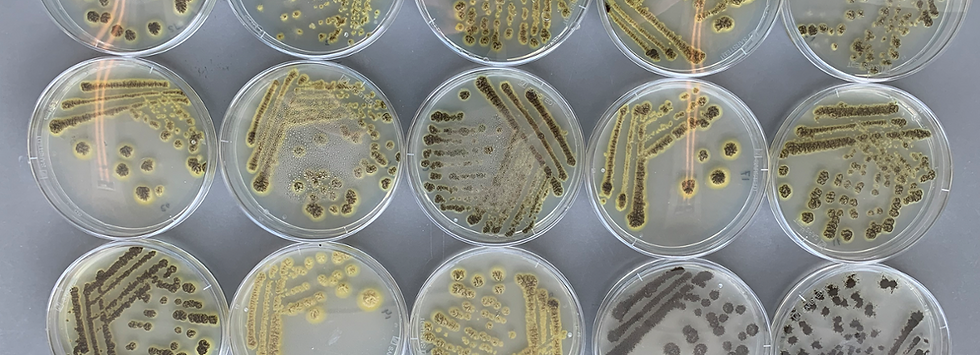
The fungus, whose identity has not yet been disclosed, has never previously been used to produce casein. Researchers believe it could offer significant commercial advantages because it can grow on grass, providing a lower-cost carbon source than feedstocks required by other microbial hosts.
According to project lead Arthur Ram, Professor of Fungal Genetics and Biotechnology at Leiden University, this could improve both production economics and environmental performance.
“This cheesemaking method also has a smaller carbon footprint than the method using cow’s milk,” Ram said.
He noted that traditional dairy production requires substantial land, water and feed inputs, while cows also generate significant greenhouse gas emissions.
Caseins are not naturally produced by the fungus. To overcome this, scientists are inserting specific DNA sequences that enable the organism to synthesise the milk proteins.
Significant laboratory work remains before commercialisation, with researchers now focused on refining the genetic engineering and fermentation processes needed to maximise protein output.
“We need to further develop the genetic and fermentation techniques for this fungus,” Ram said.
The FungCows consortium brings together academic institutions and commercial partners across the Netherlands.
Bioscienz is supporting genetic modification of the fungi, while Avans University of Applied Sciences is developing bioinformatics tools to analyse how the fungus responds to producing animal proteins.
HAN University of Applied Sciences, through HAN Biocentre, is focused on optimising fermentation conditions, including growth media selection and bioreactor performance to maximise yields.
Meanwhile, Biotechnology Fermentation Facility is tasked with scaling the production process for commercial manufacturing.
The eventual route to market will be supported by Those Vegan Cowboys, which aims to commercialise cheese products made using the fungi-derived caseins.
The grant has been awarded through the Dutch Research Council’s National Growth Fund for Cellular Agriculture and the Dutch Cellular Agriculture Foundation.
The programme is designed to accelerate innovation in cultured meat and precision fermentation technologies as Europe expands investment in alternative protein production.
Despite the funding boost, consumers will need to wait before tasting cheeses made with the new fungal platform.
Ram estimates it will take at least four years before products reach sampling stage, reflecting the technical development still required to optimise yields and scale manufacturing.
For the research team, however, the project represents a significant opportunity to apply decades of fungal biotechnology expertise to one of the alternative dairy sector’s most pressing formulation challenges.
“Discovering a new host is a huge challenge,” Ram said. “And it’s exciting to work with partners and companies to apply the knowledge we’ve built up over the years to the development of vegan cheese.”
Top image: © Arthur Ram